
You know it’s officially holiday season when someone in your office or group chat cheerfully announces, “Let’s do Secret Santa!” Suddenly, everyone’s trying to remember who hates coffee mugs, who already owns five candles, and who would actually appreciate a gift card to Olive Garden.
But Secret Santa isn’t just about the gift—it’s about the fun, the guessing, and that one person who clearly went way over the $20 limit because they “already had it at home.” It’s chaos, it’s cozy, and it’s the perfect excuse to wrap something ridiculous in glitter paper.
Where This Whole Thing Started
Secret Santa didn’t just appear out of nowhere one day when an HR rep got bored. The tradition goes way back—like, knocking-on-doors-and-running-away old. It started in Scandinavia with something called Julklapp, which literally means “Christmas knock.” People would sneak up, knock, toss a wrapped gift inside, and run off before getting caught. Think early Amazon Prime, but with better cardio.
The modern Secret Santa took shape in the U.S. in the mid-1900s, when a guy named Larry Dean Stewart started giving away money anonymously to people in need. He became known as the original “Secret Santa.” Over time, the idea evolved into the gift exchange we know today—more about giggles than generosity, but the spirit’s still there.
Now, it’s a global thing. In Australia, it’s called Kris Kringle. In Germany, it’s Wichteln. In Latin America, Amigo Secreto. Basically, the whole world’s been quietly swapping gifts and pretending not to know who their Santa is.
So, How Does Secret Santa Work Again?
It’s pretty simple. Everyone’s name goes into a hat—or an online generator, if your group’s allergic to paper—and everyone draws one person to secretly shop for. There’s usually a spending limit ($10–$25) and one very stern organizer who reminds everyone five times not to go over.
You buy your gift, wrap it up, slap on a fake name tag if you’re feeling dramatic, and wait for the big reveal. Then everyone opens their presents, guesses who gave what, and laughs at the guy who thought a jar of pickles was “quirky.”
Pro tip: adding themes makes it even more fun. Try “something cozy,” “something useless,” or “something you’d never buy yourself.”
Secret Santa vs. White Elephant: The Great Holiday Debate
Let’s clear this up once and for all. Secret Santa = you give to a specific person, anonymously. White Elephant = total free-for-all where everyone brings a gift, draws numbers, and steals from each other until your friendship is hanging by a tinsel thread.
Secret Santa is thoughtful chaos. White Elephant is war disguised as a party game.
Why We Keep Doing This to Ourselves
There’s something beautiful about Secret Santa—it turns the stress of holiday shopping into a guessing game. You’re not trying to buy the perfect gift; you’re trying to get the perfect reaction.
In offices, it breaks the ice. Among friends, it’s an excuse for inside jokes. And in families, it’s a budget-friendly way to keep Grandma from buying everyone matching pajamas again (unless that’s your thing—no judgment).
At its core, Secret Santa isn’t about the gifts—it’s about the stories you get to tell afterward. Like the year someone wrapped a can of beans with a bow, or when your boss got a coffee mug that said “World’s Okayest Manager.”
Gift Ideas That Hit the Sweet Spot
You don’t need to overthink it. The best Secret Santa gifts usually fall into one of three categories:
- Useful but funny: A mug that says “Probably Late for Something.”
- Small but sweet: A favorite snack, a cute candle, or a punny ornament.
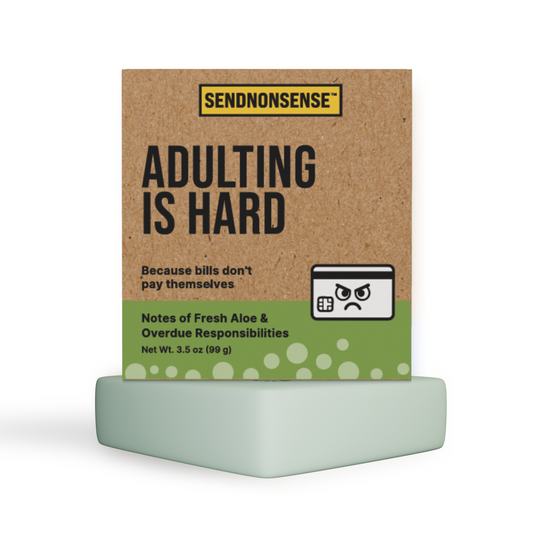
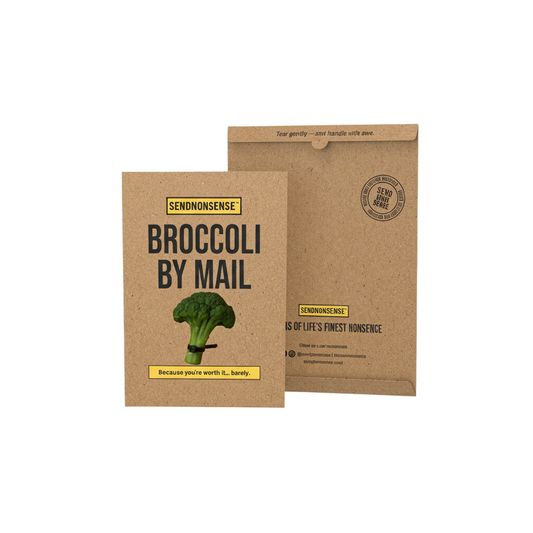
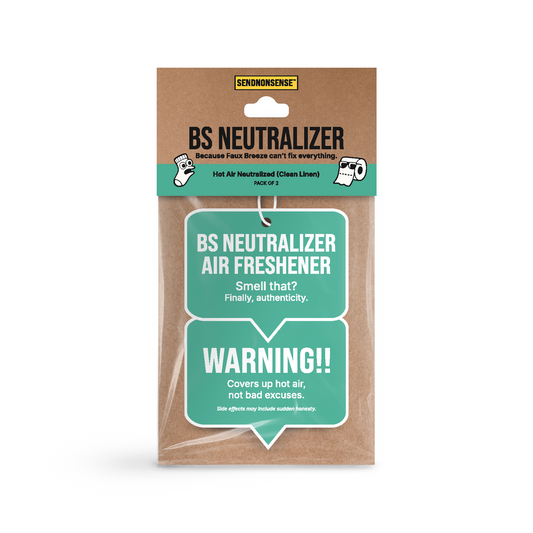
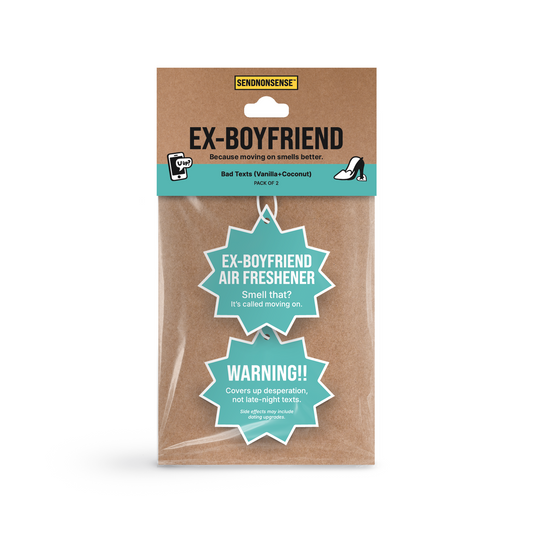
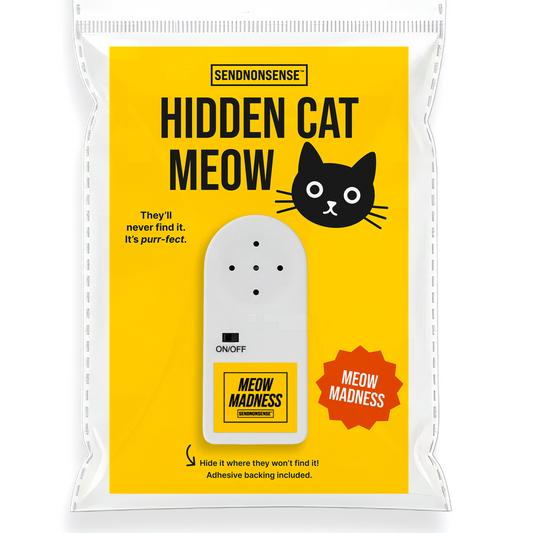
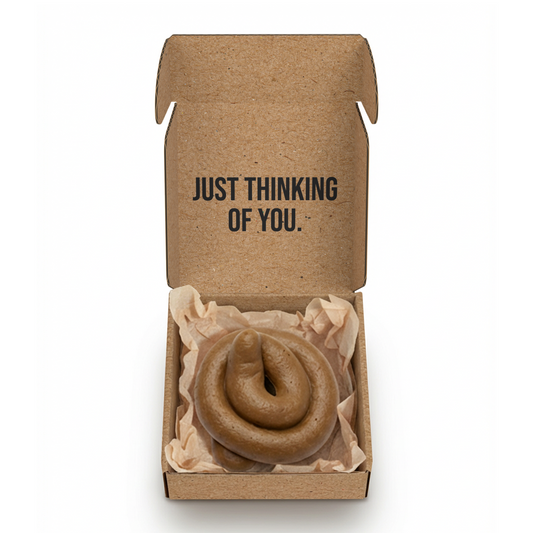
- Completely ridiculous: An Emotional Support Brick or Mystery Turd—both available in the SendNonsense gift catalog.
The trick is matching the vibe. If your group thrives on sarcasm, go wild. If it’s more wholesome, maybe skip the fart-themed gifts.
How to Host a Secret Santa in 5 Minutes Flat
Running a Secret Santa doesn’t have to feel like herding elves. Here’s the lazy person’s guide:
- Pick a date and budget. $20 is the sweet spot—enough for fun, not regret.
- Collect names. Use a Google Form, Slack message, or just text your group chat.
- Draw names. Elfster, DrawNames, or the classic hat method all work.
- Remind everyone. Because someone will forget.
- Add flair. A theme, a playlist, maybe a “Guess Your Santa” game at the reveal.
Bonus: hand out fake awards like “Most Confusing Gift” or “Least Effort Wrapped.” Everyone wins something, even if it’s shame.
Secret Santa in the Modern Age
These days, Secret Santa has gone digital. Remote teams unwrap gifts on Zoom, Reddit hosts international exchanges, and Slack bots handle the name drawing. In some parts of the world, like Finland, kids still sneak around delivering anonymous gifts, keeping the OG spirit alive.
Whether it’s in-person, online, or somewhere in between, the fun’s the same. Mystery. Laughter. Mild emotional chaos.
Why It Never Gets Old
We come back to Secret Santa year after year because it’s a little dose of mischief wrapped in kindness. It’s not about the stuff—it’s about the moment when someone opens their gift and bursts out laughing (or confusion).
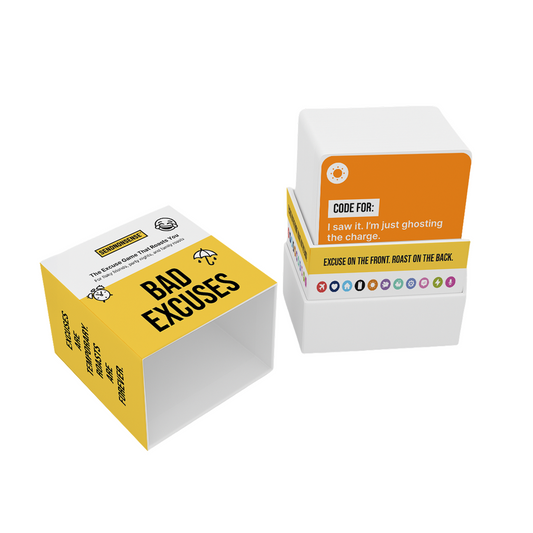
So go ahead—be the chaotic elf who brings joy, laughter, and maybe just a little nonsense to your group this year. And if you’re looking for something that’ll get a genuine “Wait, WHAT?” reaction, check out SendNonsense’s gift catalog. From the Bad Excuses card game to the Hot Mess Survival Soaps it’s Santa’s workshop—if Santa had a sense of humor and a mischievous streak.
Because the best holiday memories usually start with one terrible gift and a lot of laughter.